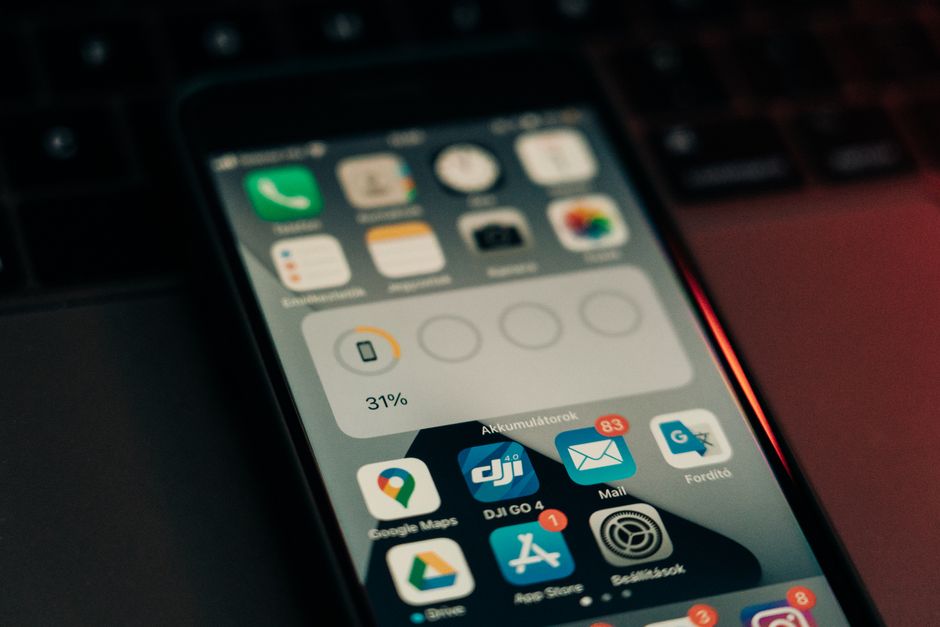
When Your Smartphone Battery Dies at the Worst Moment
Few experiences in modern life are as quietly dramatic as watching your smartphone battery percentage plummet just when you need it most. It often happens during a critical moment—mid-navigation through an unfamiliar city, at the peak of a concert, or right before an important call. The screen dims, a red bar appears, and a familiar sense of mild panic sets in. This scenario has become a shared cultural touchstone, inspiring countless stories, jokes, and a collective awareness of our dependence on portable power.
Understanding why these moments feel so significant requires looking at how deeply smartphones are woven into daily routines. They serve as maps, communication tools, cameras, and entertainment devices, often simultaneously. When the battery dies, it is not just a device shutting down; it is a temporary loss of access to those functions. This article explores common situations where a dying battery creates memorable, often humorous, disruptions, and it examines the habits and jokes that have grown around our reliance on chargers.
The goal is not to offer solutions or warnings, but to reflect on a relatable phenomenon with a tone of shared experience. Through anecdotes and observations, we can appreciate the absurdity and the very human reactions that come with a low battery alert at the worst possible time.
The Anatomy of Battery Anxiety
Battery anxiety is a term that has entered everyday vocabulary to describe the unease people feel when their phone’s charge is low. It is not a clinical condition but a common reaction to the possibility of losing connectivity. This anxiety often peaks in situations where the phone is serving a critical function, such as providing directions or facilitating an important conversation. The feeling is amplified by the fact that battery drain is often invisible until it is too late, with background apps and location services quietly consuming power.
The anatomy of this anxiety involves a mix of preparation and improvisation. Many people develop personal rituals, like carrying a portable charger or turning on battery-saving mode at the first sign of trouble. Others adopt a more casual attitude, relying on the hope that the battery will last just a little longer. These habits reflect a broader negotiation with technology—a balance between convenience and the mild stress of potential disconnection. The jokes that circulate about charger dependence often stem from this negotiation, highlighting the absurdity of our attachments.
Understanding battery anxiety also means recognizing its social dimensions. In group settings, a dying phone can become a shared problem, with friends offering cables or comparing battery percentages. These moments can foster camaraderie or gentle teasing, depending on the context. The anxiety is rarely about the device itself but about the interruption of plans and the temporary loss of a digital lifeline.
Navigation Nightmares: When the Map Goes Dark
One of the most common scenarios for a poorly timed battery death is during navigation. Imagine driving through an unfamiliar city, relying on a maps app to guide you through complex interchanges, when the screen suddenly goes black. The result is a sudden immersion into the physical environment, often without a clear sense of direction. This situation is frequently recounted with a mix of frustration and humor, as drivers describe the scramble to find a charging cable or the reluctant decision to ask for directions the old-fashioned way.
These navigation failures often occur at the most inconvenient moments—when already running late, in heavy traffic, or in an area with poor signage. The phone, which had been confidently announcing each turn, becomes a silent brick. The immediate aftermath involves a search for a power source, which might be a car charger buried under seats or a nearby convenience store. In some cases, the dead battery forces a return to paper maps or memory, highlighting how quickly people adapt when digital aids disappear.
The humor in these stories often comes from the contrast between modern reliance and sudden helplessness. People joke about their inability to navigate without a blue dot, or about the irony of getting lost while trying to find a charging spot. These anecdotes serve as gentle reminders of the limits of technology and the enduring value of basic orientation skills.
Concert Conundrums: Capturing the Moment vs. Preserving Power
Concerts and live events present a unique battery dilemma: the desire to capture memories through photos and videos competes directly with the need to keep the phone alive for emergencies or coordinating with friends. Many attendees arrive with a fully charged device, only to watch the battery drain as they record performances, use flashlights, and check social media during intermissions. The moment the battery dies can be particularly poignant, often occurring right before a favorite song or a special guest appearance.
The concert setting amplifies the social aspects of battery death. Strangers may become temporary allies, sharing portable chargers or pointing out charging stations. There is a sense of collective understanding when a phone dies mid-video, accompanied by shrugs and knowing smiles. Some people adopt a strategy of conserving battery by keeping the phone in a pocket, while others accept the risk and enjoy the moment unplugged. The jokes that emerge from these experiences often revolve around the irony of being at a highly visual event without a working camera.
These situations also highlight the trade-off between presence and documentation. A dead battery can force a person to experience the event directly, without the filter of a screen. While this may be initially frustrating, it can also lead to a more immersive experience. The humor lies in the unexpected shift from digital capture to pure observation, a silver lining that is often recognized only in retrospect.
Important Calls and Critical Conversations
Perhaps the most stressful battery death occurs during or just before an important call. This could be a job interview, a medical consultation, or a conversation with a loved one. The stakes feel higher because communication is time-sensitive and emotionally significant. When the battery dies in these moments, the resulting silence can be jarring, leaving the person on the other end unaware of the technical failure. The person with the dead phone is left to find an alternative quickly, often borrowing a charger or using a landline if available.
These scenarios often become stories of near-misses and creative problem-solving. People describe sprinting to find an outlet, using a stranger’s phone, or resorting to video calls on a tablet. The humor in these tales comes from the absurdity of the situation—the contrast between the importance of the call and the mundane cause of the interruption. Jokes about charger dependence are particularly common here, with people admitting to carrying multiple cables or scouting for outlets like a detective.
The emotional impact of a dropped important call can linger, but over time, these incidents are often recounted with laughter. They serve as reminders of the fragility of constant connectivity and the resourcefulness that emerges when it fails.
The Culture of Charger Dependence
Charger dependence has become a defining characteristic of modern life, spawning a subculture of portable power enthusiasts. People invest in power banks, carry multiple cables, and know the location of every public outlet in their daily routes. This behavior is often accompanied by self-deprecating humor, with jokes about being “tethered to the wall” or having a “charger-shaped security blanket.” The lightheartedness of these jokes masks a genuine reliance on devices that has reshaped daily habits and social interactions.
The culture extends to social media, where memes and anecdotes about low battery alerts circulate widely. These shared jokes create a sense of community around a common annoyance. Companies like Chuckle Yard, which focus on humor and relatable content, often tap into this vein by highlighting the absurdities of charger dependence. The jokes serve as a coping mechanism, turning a minor frustration into a bonding experience.
Despite the humor, charger dependence also reflects a practical reality: batteries degrade over time, and usage patterns vary. The jokes are not a critique but an acknowledgment of the tightrope walk between convenience and the need for power. By embracing the humor, people navigate the minor inconveniences of digital life with a lighter touch.
Lessons in Flexibility and Humor
Ultimately, the experience of a phone battery dying at the worst moment offers an opportunity to practice flexibility. These interruptions, while inconvenient, often lead to unexpected outcomes—a conversation with a stranger, a moment of quiet observation, or a creative solution. The humor that surrounds these events is a testament to human adaptability and the ability to find levity in minor crises.
Reflecting on these stories, it becomes clear that the value lies not in avoiding battery death but in how we respond to it. The shared laughter and the jokes about charger dependence are ways of acknowledging our reliance on technology without being overwhelmed by it. As long as batteries continue to run out at inconvenient times, there will be stories to tell and humor to share, reminding us that even in a connected world, a little disconnection can be a source of unexpected insight.